Lower Oil Prices Drive Decline in Inflation
How the Lower Prices in Oil Brought the Drop of Inflation The Reduced Cost in Transport Gave the Necessary Breathing Room to the Market.
-
The volatility of oil prices fuels inflation, leading central banks to suggest reducing dependency on fossil fuels.
-
Traditional monetary measures are unable to tackle oil crises and, at the same time, render the long-term energy transition more costly.
-
In Australia, transport constitutes a primary factor of inflation, making the electrification of vehicles the most efficient solution for reducing consumption.
-
Continuous state incentives are required to bolster electrification, with a particular emphasis on heavy vehicles, so that the demand for oil is drastically reduced.
-
Upgrading the grid and adopting innovative charging solutions are deemed essential for effectively and economically supporting electric vehicles.
The Mechanism of Oil Shocks on Global Markets
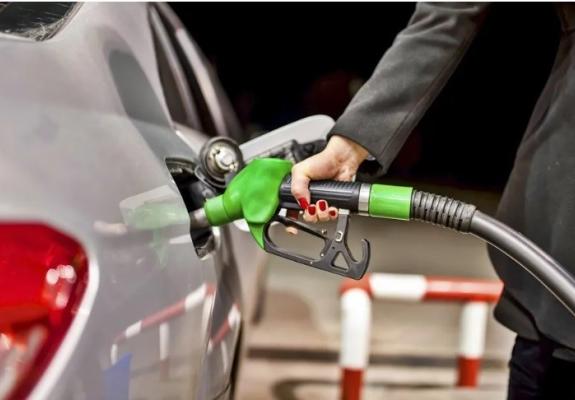
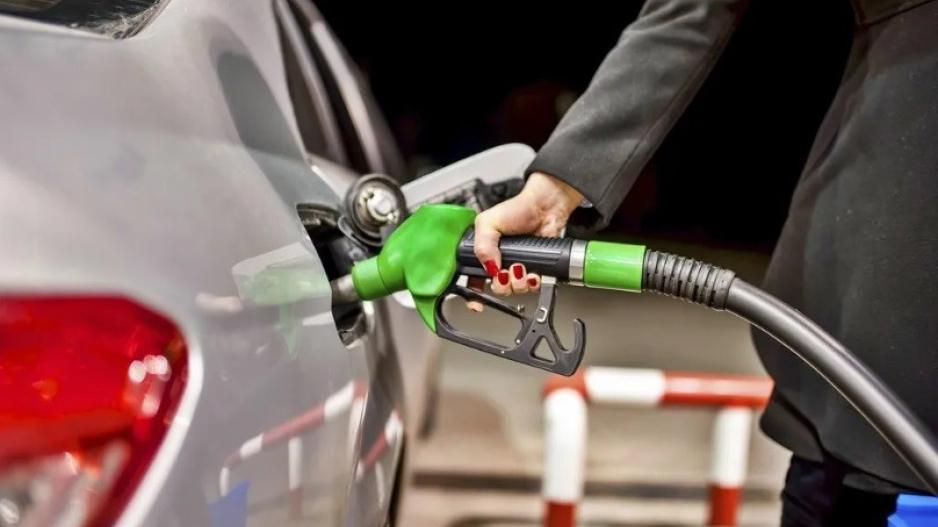
The recent, relatively downward trajectory of inflation can be attributed entirely to the reduction in the increase of transport costs, as oil prices decreased. Since 2000, oil prices have become exceptionally volatile, partly due to frequent geopolitical tensions, as well as the low price elasticity of oil demand. During this period, oil prices increased by approximately 6.9% annually, well above the annual increase in inflation. The cost of oil rose even further, by about 8.9% annually, as oil consumption grew alongside its prices.
Oil affects inflation in three ways. It has a direct impact through household expenditure on transport. It has an indirect impact through the increase in the cost of goods and services and, finally, oil prices contribute to an excessively large degree to inflation expectations, a fact which has secondary flow-on effects.
Traditional monetary policy tools have limitations when dealing with inflation driven by oil price shocks. Central banks focus on countering the spillover impacts of high oil prices on general inflation. Given the growing volatility of oil prices and its recurring impacts on global economies, certain central bank representatives in Europe are calling for a reduction in dependency on fossil fuels in order to protect price and economic stability. However, monetary measures to limit the spillover impacts of oil price shocks render the energy transition more difficult and more expensive in the long term.
Electrification as a Fiscal Tool: The Case of Australia
In Australia, the transport sector is responsible for nearly 3/4 of oil consumption and constitutes the largest factor of inflation through its direct and indirect impacts on household costs. The electrification of road transport represents the most promising opportunity for a substantial and cost-effective reduction in oil consumption within the transport sector, according to the Institute for Energy Economics and Financial Analysis (IEEFA).
It is possible for oil consumption in road transport to be reduced by more than half by 2040 and to be limited to near zero by 2050. However, current trends suggest more modest reductions. In particular, oil consumption in heavy transport is expected to increase up to 2040. Continuous government incentive provisions are required to maintain momentum in the electrification of passenger cars, while enhanced support is needed to jump-start the electrification of heavy vehicles.
Grid Infrastructure and Future Energy Solutions
Grid planning and upgrades are also required for developing electric vehicle charging infrastructure, with energy needs being particularly high for charging heavy trucks. Ensuring the effective management of electric vehicle charging will be crucial for reducing the costs of upgrading the distribution grid and will require new data, analytical capabilities, and technical standards.
Innovative solutions that reduce costs should also be explored, such as co-locating charging stations with renewable energy sources and batteries. Bidirectional charging can offer significant financial benefits to the electricity system and to electric vehicle owners.