Ten Important Changes to Know Before Booking Your Next Trip
New Regulations in Europe, Artificial Intelligence in Travel Planning, and Emerging Trends Are Reshaping the Way We Travel.
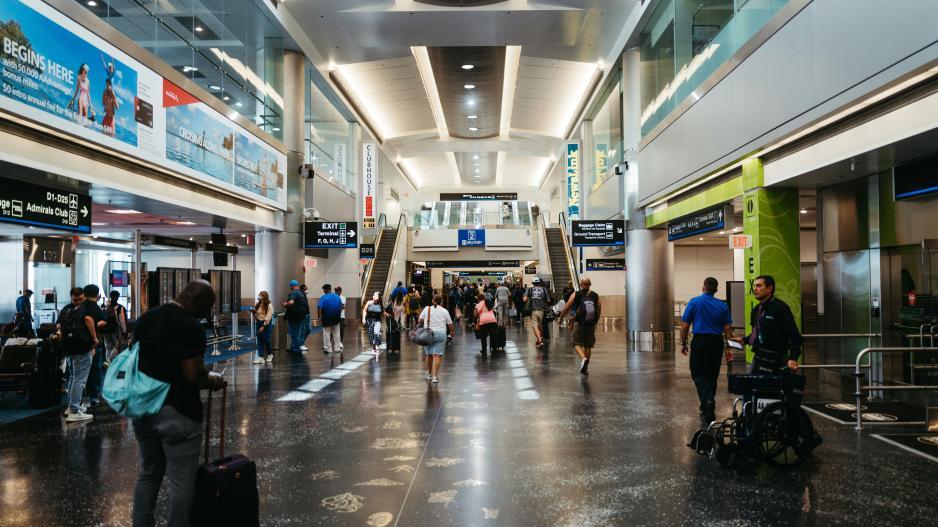
The year 2026 appears set to become a turning point for the way people travel. Technology, new regulations at Europe’s borders, and travelers’ growing desire for more authentic and experiential journeys are gradually transforming the tourism landscape. From new border control systems across Europe to evolving travel trends, here are ten things worth knowing if you are planning a trip in 2026.
By the end of 2026, the ETIAS (European Travel Information and Authorisation System) is expected to come into effect. Travelers from countries that currently do not require a visa to enter Europe, such as the United States, will need to obtain electronic pre-authorization before traveling to around thirty European countries within the Schengen Area.
The European Union’s new Entry/Exit System (EES) will record travelers’ biometric data, including facial scans and fingerprints. While the goal is to strengthen security, some airports and border crossings may experience delays during the early stages of implementation.
As summer heatwaves intensify, more travelers are choosing destinations with cooler climates. Scandinavian countries, mountainous regions, and northern destinations are attracting travelers who want to avoid extreme temperatures.
Popular destinations around the world are introducing measures to limit overtourism. This often translates into higher tourist taxes, visitor caps, or increased entrance fees for popular attractions, as already seen in major museums and historic sites.
Travelers are no longer choosing destinations solely for their scenery or social media appeal. The emerging “whycation” trend focuses on the purpose of the trip, such as relaxation, personal development, reconnecting with nature, or even learning new skills.
The use of artificial intelligence in travel planning is growing rapidly. Applications and platforms now use AI to create personalized itineraries, recommend experiences, and help travelers organize their schedules more efficiently.
More travelers are avoiding peak tourist seasons and opting for what is known as the “hidden season.” Examples include autumn in Japan or spring in Morocco, when prices are lower, destinations are less crowded, and experiences often feel more authentic.
Trips that include more than one destination are becoming increasingly popular. Travelers combine multiple cities or even countries within a single journey, often using high-speed trains or short flights.
The increase in extreme weather events, such as floods and wildfires, has made careful review of travel insurance more important than ever. Travelers are increasingly checking whether their policies cover natural disasters or cancellations related to climate conditions.
At the same time, new travel styles are gaining momentum. “Flashpacking,” a more luxurious version of backpacking, blends adventure with comfort. Meanwhile, agritourism attracts travelers who want hands-on experiences such as farming, beekeeping, or participating in local agricultural activities.
What is clear is that the future of travel is becoming more intentional, more personalized, and more experiential. For travelers in 2026, the experience now matters more than the destination itself.