Who Do Cypriots Really Trust? What the Latest Survey Reveals About Media and News Habits
A new survey reveals shifting media consumption habits in Cyprus, declining trust in media institutions, and growing concerns over fake news and press freedom.
Social media and television are the two most popular media sources for news among the Cypriot public, each chosen by 72% of respondents. They are followed by online news portals (45%) and radio (43%), while print media lags behind — domestic press at 15%, Greek press at 10%, and foreign press at 9%.
These findings come from a survey by the Union of Cyprus Journalists on public opinion and information habits, presented at the Journalists’ House alongside a parallel study on journalists’ working conditions. The research was conducted by Cypronetwork in July, using a stratified and representative sample of 1,000 people across Cyprus.
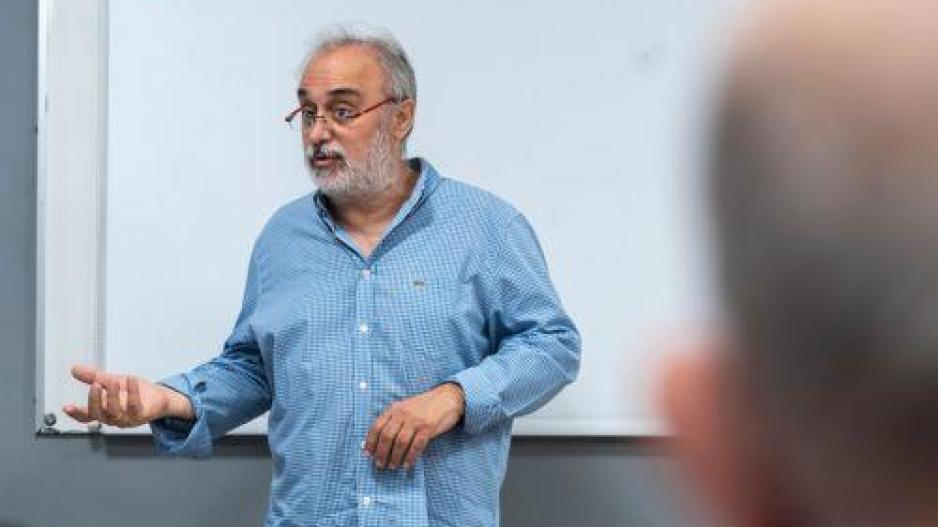
According to Cypronetwork President Christos Michaelides, when asked which media they use most for information, 4 in 10 respondents chose social media — a rising trend compared to previous years — and 3 in 10 chose television, which shows a downward trend. Two in ten cited online portals, while radio and print scored significantly lower.
In terms of media evaluation, television and radio achieved the highest positive ratings at 41% and 39% respectively, followed by social media (32%), print media (27%), and online portals (28%).
Michaelides noted that radio scored the highest in quality and reliability, outperforming online portals and social media. The latter two received notably lower ratings in these categories. Negative perceptions on these indicators remain generally higher than positive ones.
Overall, the positive perception of Cypriot media ranges between 32% and 39%, with up to 50% of respondents expressing a neutral opinion. Negative ratings remain comparatively low.
Regarding the prevalence of fake news, 21% of respondents believe it is “very high,” 23% said “high,” and 37% “moderate.” Fake news is perceived to spread mostly through social media and online portals.
The study also found that 36% disagree with the statement that the media are trustworthy, compared to 48% who agree.
Meanwhile, 42% of respondents said they trust Cypriot journalists, compared to 45% last year. However, 41% believe journalists abuse their power, while 24% disagree. Only 30% consider Cypriot journalists reliable, with 40% disagreeing.
Just 27% regard the media in Cyprus as reliable, compared to 45% who do not. 30% believe media organizations are understaffed, while 18% disagree.
On job insecurity, 51% said they “don’t know,” and 35% agreed it exists. Only 27% believe Cypriot journalists enjoy freedom of expression, while 43% disagree and 35% are uncertain.
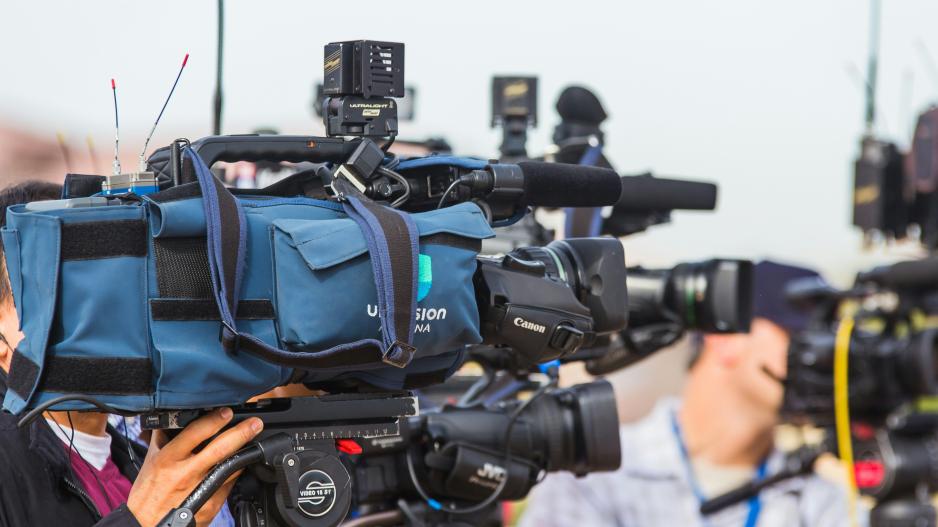
When asked which media they would rely on for news about the upcoming Parliamentary elections, 45% cited television, 21% social media, and 12% online portals, followed by radio and print media.
A striking 69% of respondents believe that voter manipulation occurs, and 25% think it does not. Most attribute this manipulation to the government and political parties, followed by media owners, journalists, and pollsters.
Michaelides also noted that journalists score 27% in professionalism, which he described as a satisfactory indicator.
According to the internal survey of journalists, 7 out of 10 said they had a better impression of journalism before entering the profession.
The main weaknesses of Cypriot journalism are identified as understaffing, media sustainability, and freedom of expression. Its strengths include critical thinking, press freedom, and in-depth reporting, though 30% had no opinion.
When asked how free they feel to write and publish what truly concerns them, 44% said “quite free,” 23% “very free,” 18% “a little,” and 14% “not at all.”
Six in ten journalists wish to remain in journalism until retirement, while four in ten plan to seek other jobs. Only 19% feel “very secure” in their workplace, 29% “fairly secure,” 36% “a little,” and 18% “not at all.”
Regarding threats or warnings about their reporting, 44% said it happened “sometimes,” 29% “never,” 15% “rarely,” and 10% “often.”
As for media owners’ behavior, 37% rated it “poor,” 32% “average,” 23% “tolerable,” and 6% “good.”

In his opening remarks, ESK President George Frangos said the findings offer valuable insights into the current state and trajectory of the Cypriot media landscape.
He noted the dominance of social media and television (72%) in public preference, emphasizing the paradox that these same platforms are also the leading sources of fake news.
“It’s a contradiction,” Frangos said. “We reward these media with our attention, only to later criticize them for spreading misinformation.”
He also noted that Cypriot journalists enjoy more trust (42%) than media owners (36%), widening the gap from previous years.
On election coverage, television remains the “queen of information” (45%), followed by social media (21%) and news websites (12%), with radio and print trailing at 3% each. Public perception of voter manipulation remains high (69%), with 86% blaming media owners and 74% blaming journalists.
Regarding journalists’ working conditions, 84% said they had higher expectations before entering the profession. 56% wish to stay in journalism, but 44% seek other, more profitable jobs. A notable 69% admitted they have faced pressure about their reporting content. Finally, 47% of journalists view the ESK positively, and 41% negatively.
In his address, Savvas Kounnos, Director of Corporate Affairs at the Bank of Cyprus, which funded the survey, said journalism — like finance — is a key pillar of Cyprus’s economy and society.
He stressed that journalists significantly shape public opinion, and while social media dominate news consumption, traditional media are adapting by building their own digital platforms.
Kounnos expressed concern over the worsening trends compared to last year’s findings, especially the rising number of journalists wishing to leave the profession, which signals a crisis in the media industry.
He called for systemic reforms, involving advertisers, media owners, and journalists, emphasizing the need for trustworthy, knowledgeable, and unbiased reporting to combat modern forms of fake news, which are often “half-truths or distorted realities.”
“Our world has become too complex to allow for misinformation — even unintentional. We all share the responsibility to rebuild the credibility and quality of the media sector,” he concluded.