Diplomatic Blunder Over Iran Mediation Sparks Backlash in Cyprus
Christodoulides under fire after Iran refutes mediation claim, raising doubts about the government's foreign policy priorities.
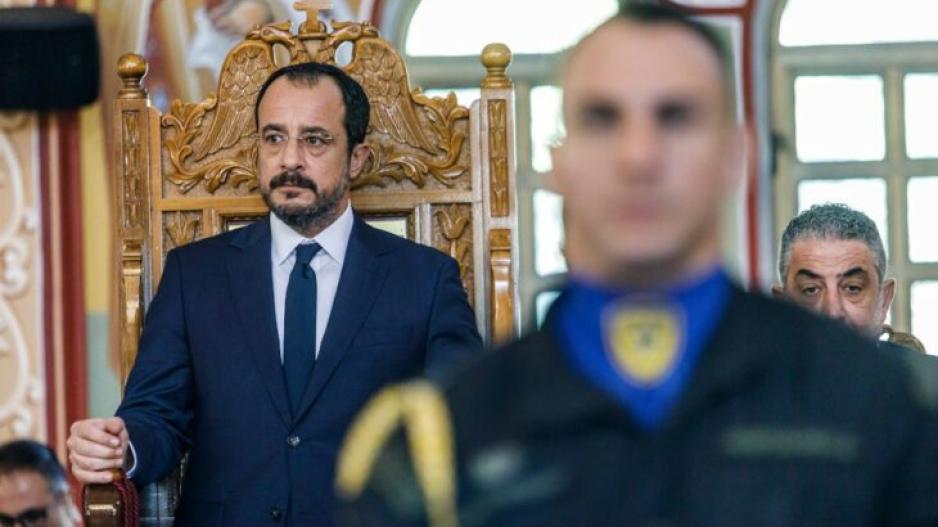
In under 24 hours, the Republic of Cyprus became embroiled in a diplomatic controversy that has sparked sharp political criticism and raised pressing questions about the government's foreign policy priorities. The incident has also placed President Nikos Christodoulides in the center of a storm, accused of mishandling sensitive international communications for potential domestic gain.
On Sunday morning, President Christodoulides publicly claimed that Iran had asked Cyprus to deliver a message to Israel, positioning Nicosia as a behind-the-scenes mediator in one of the world’s most volatile conflicts. But by early evening, the Iranian Foreign Ministry firmly denied making such a request, with spokesman Ismail Bagheri issuing a categorical refutation that quickly spread through media outlets across Europe and the Middle East.
This public contradiction severely undermined Cyprus’s credibility and called into question the judgment—or intentions—behind the President’s remarks.
Two primary interpretations now dominate political discourse in Nicosia:
-
Miscommunication or Exaggeration: Iran may never have issued such a request, suggesting either a diplomatic misstep or that the President deliberately exaggerated Cyprus’s role to bolster his domestic image and project the country as a regional player.
-
Confidential Contact Breached: Alternatively, Tehran may have informally engaged Cyprus in a discreet diplomatic channel, expecting full confidentiality. If so, President Christodoulides may have breached this tacit understanding by disclosing the interaction publicly, potentially for internal political advantage—against Iran’s wishes.
Regardless of the scenario, the outcome remains damaging: Cyprus now risks being perceived as either diplomatically naïve or recklessly indiscreet—both of which weaken its standing as a credible neutral actor in sensitive geopolitical matters.
The reaction from political parties was swift and highly critical.
DISY President Annita Demetriou struck a measured note: “The seriousness of the situation does not allow for any frivolous communication handling.” She urged a more restrained and secure approach to foreign policy, especially during a period of regional instability.
AKEL General Secretary Stefanos Stefanou was more direct: “The President claimed Iran requested mediation, only for Iran to immediately deny it. These are dangerous times that require seriousness—especially from the President.” He warned against manipulating international incidents for local political gains.
Volt Cyprus condemned the President’s remarks as damaging to the country’s image: “President Christodoulides not only exposes himself but Cyprus internationally. Foreign policy is not a field for self-promotion and careless moves. The situation calls for seriousness.”
Odysseas Michaelides’ ALMA party issued a longer statement contextualizing the Israel–Iran conflict while sharply criticizing the President’s actions: “What is required from the Christodoulides government is responsibility, seriousness, and humility—not reckless communication stunts for domestic use that ultimately undermine our country’s credibility abroad.”
Notably, the three parties supporting the President—DIKO, DIPA, and EDEK—remained silent, as did ELAM and the Green Party, offering no public comment on the unfolding controversy.