EP Historic Vote Recognizes 1974 Rapes as Turkish War Crimes
The EP Resolution Constitutes a Historic Recognition of Crimes Against Women in Cyprus in 1974, Mep Meleti Says
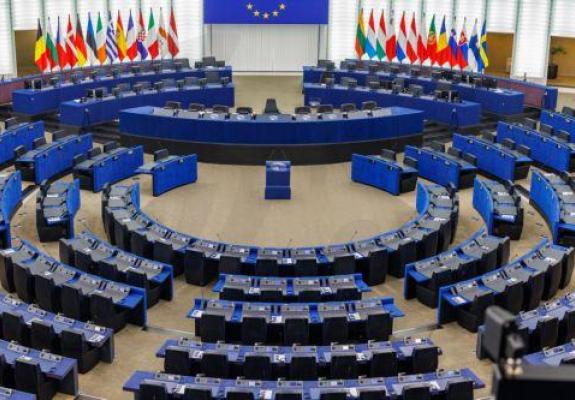
The European Parliament adopted a historic resolution recognizing the sexual violence committed by Turkish forces against women and girls during the 1974 invasion of Cyprus as a war crime. The text calls for official monuments, compensation, and institutional accountability.
Broad European Parliament Majority
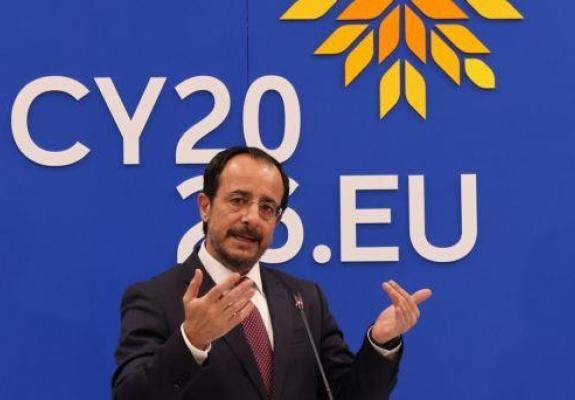
The need for institutional recognition of the crimes committed during the 1974 Turkish invasion of Cyprus and support for the women and girls who were victims of sexual violence were highlighted at a press conference held on Wednesday in Strasbourg by the rapporteur of the relevant resolution, Eleonora Meleti, who described it as a "historic victory".
The press conference took place after the conclusion of the vote in the plenary of the European Parliament, during which the resolution on the impact of the 1974 Turkish invasion on the women and girls of Cyprus, the crimes committed by Turkish forces and the consequences for gender equality was adopted.
The resolution was approved by a broad majority, with 575 MEPs voting in favour, while 33 votes against and 43 abstentions were recorded.
The New Democracy and EPP MEP described the adoption of the resolution as a “historic victory”, noting that the majority of MEPs supported the effort to highlight the consequences of the invasion for the women and girls of Cyprus.
Lifelong Impact and Commemorative Monument
The MEP noted that the resolution underlines that the women and girls who fell victim during the Turkish invasion of 1974 were not victimised only during the events themselves, but also afterwards, through stigmatisation, marginalisation, social condemnation, loneliness and grief.
In response to a question from CNA about the next steps following the adoption of the resolution, Meleti referred to the erection of a monument in Cyprus for the women and girls who were victims, saying that this is an important matter that must be followed up.
As she said, during the delegation’s visit to Cyprus, a promise was made to the women and girls that a monument would be erected as a symbol of remembrance of the experience and collective trauma suffered by Cyprus.
The rapporteur said that, according to the information she has received, the erection of the monument has been approved, adding that what remains is to determine when it will take place.
Demands placed on Turkey
Regarding Turkey, the MEP said that the European Union expects answers from Ankara in relation to its intransigent stance. She added that, until answers are given to the issues raised by the resolution, the matter will remain open.
Official Recognition of War Crimes
On his part, Democratic Rally (DISY) MEP, Loucas Fourlas, described the approval of the resolution as a “historic day for Cyprus”.
Speaking at the press conference, Fourlas said that, as head of the Cypriot delegation, he feels proud and grateful to the rapporteur for the initiative and the work that preceded the adoption of the resolution.
He added that rape was not a misdemeanour, but a war crime, noting that this is now reflected in a resolution of the European Parliament. As he said, this is an official document of a European institution, which will remain in the archives of the European Parliament.
The MEP said that the objective is the recognition of the crimes and the pursuit of compensation, adding that the resolution names Turkey as responsible.
He stressed that, for the first time in an official document of a European institution, the rape and abuse of women in Cyprus in 1974 are described as a war crime.
Historical and Diplomatic Context
Cyprus has been divided since 1974, when Turkey invaded and occupied its northern third. Repeated rounds of UN-led peace talks have so far failed to yield results due to Turkish intransigence. The latest round of negotiations, in July 2017 at the Swiss resort of Crans-Montana ended inconclusively.
After informal meetings in 2025, followed by a hiatus of several months, deliberations are underway for a new meeting in broader format to be held, as the term of the UN Secretary-General Antonio Guterres nears its end. María Angela Holguín, Guterres’ Personal Envoy on Cyprus, is tasked to engage with the parties.