DISY Rift Deepens Over Delays in Authorising Specialised Medicines
A fierce internal battle erupts over delays in innovative drug approvals, drawing in senior figures and leaving party leadership silent.
A fresh wave of internal conflict is rocking the Democratic Rally (DISY), with the controversy over specialised and innovative medicines under the General Healthcare System (GeSY) escalating rather than subsiding. The rift widened as former EU Health Commissioner and ex-DISY MP Stella Kyriakidou publicly rebuked the party’s deputy leader and Chair of the House Health Committee, Efthymios Diplaros, urging him to exercise his institutional role with “dialogue, balance and composure”.
Her intervention comes amid mounting criticism aimed at Diplaros from within DISY circles — including Giorgos Pamboridis, Anastasia Anthousi, and former party Health portfolio holder Miltos Miltiadous, who resigned earlier this week accusing Diplaros of “frivolous” handling of the issue.
At the heart of the controversy lies a dispute over whether approval delays and rejections of innovative cancer and chronic disease therapies have eased since June, as claimed by the Health Insurance Organisation (HIO/OAY), the Cyprus Oncology Society and the Cyprus Patients’ Associations Federation (OSAK).
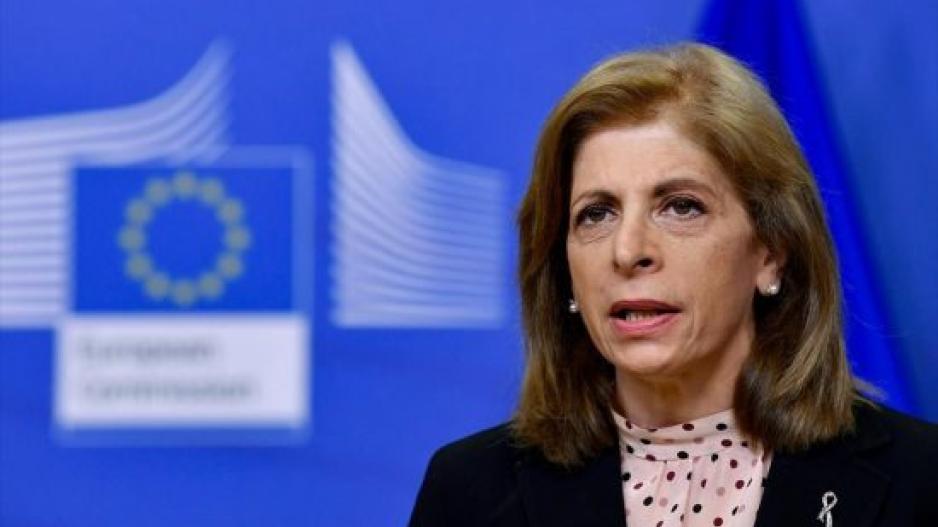
In a strong statement, Kyriakidou — who has long advocated for patients’ rights — said she felt “deep concern” over the public clash between Diplaros and OSAK. She stressed that the Chair of the Health Committee must function as a guarantor of dialogue and consensus, adding that confrontation with patient-representing bodies is “neither beneficial nor institutionally appropriate”.
Kyriakidou described OSAK as “an indispensable pillar of the health system”, highlighting its documented interventions and long-standing contributions to transparency, patient rights and healthcare reforms. Any deterioration in cooperation, she warned, harms the stability and trust patients urgently need.
She called for unity, emphasising that “defending patients’ rights is not a battlefield of rivalries but a shared obligation of institutions, organisations and the state”.
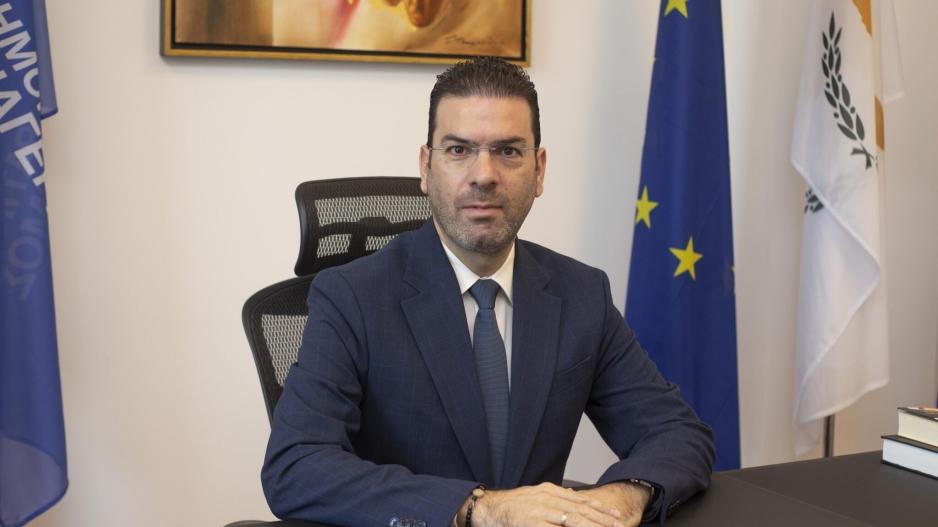
Diplaros responded earlier in the day by publishing a 10 March 2025 letter from a private hospital documenting the rejection of a patient’s request for Ramucirumab, an innovative therapy for cancer. Accompanying the letter, he wrote: “Those who insist there is ‘no problem’ with delays and rejections of innovative medicines should try telling that to the patients waiting while their time runs out. Denial of reality does not save lives.”
Speaking to ANT1, he added that he did not expect Pamboridis or the Oncology Society to “find him right”, insisting his only concern is “the patient and the truth reported by doctors”. He also criticised OSAK for not acknowledging positive legislative steps, such as the recent vote on rehabilitation centres or initiatives concerning the Patient Ombudsman.
Diplaros confirmed he has handed relevant information to the police and encouraged media to “open the phone lines and hear what patients have to say”.
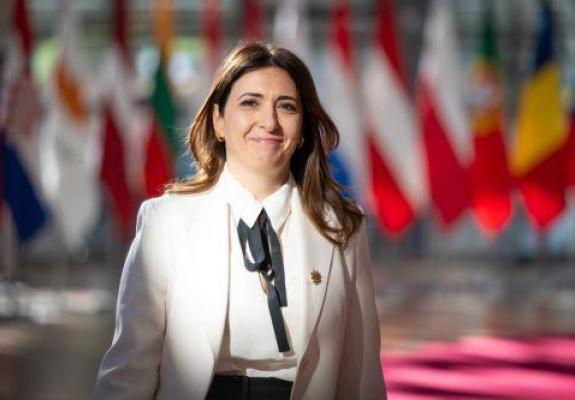
Despite the intensifying exchange of public statements across party figures, DISY leader Annita Demetriou has so far remained silent — a fact that has not gone unnoticed within the political sphere.
Former Health Minister Pamboridis expressed deep sadness over Miltiadous’ resignation and called for both sides to meet and resolve the dispute. Anthousi, meanwhile, criticised the ongoing “unnecessary tension” during a period that requires calm.
Opposition party AKEL also weighed in, accusing Diplaros of failing to substantiate his claims and of exposing both DISY and Parliament in the eyes of patient groups and the HIO. Diplaros replied that instead of “labels and attacks”, political parties should come to the Health Committee “with proposals, not anger”, stressing that patients expect solutions, not political drama.