EU Reaches Provisional Agreement to Strengthen and Reform the European Chemicals Agency
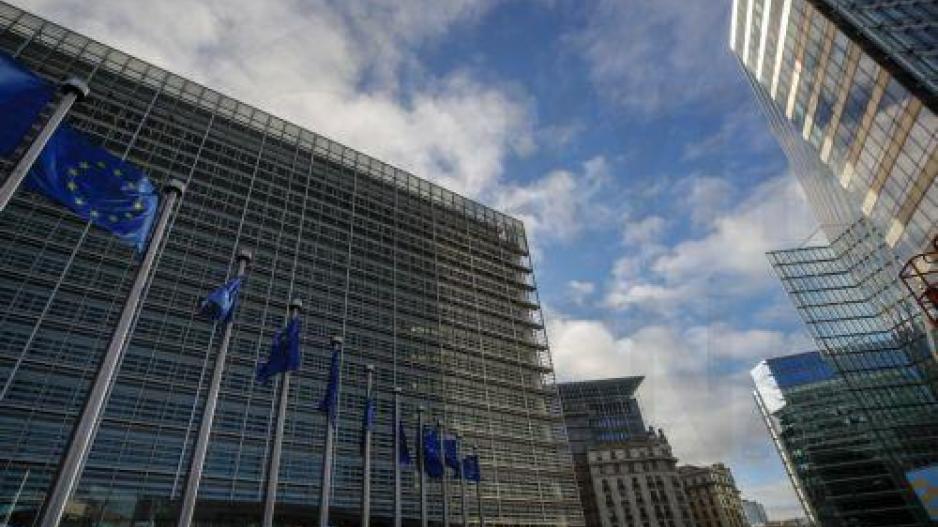
The EU Council and Parliament have clinched a provisional agreement to modernise the European Chemicals Agency (ECHA). The reform decouples ECHA from the 2006 REACH Regulation, securing its standalone funding and structural independence.
New Standalone Framework for ECHA
The European Union reached on Tuesday a provisional agreement to strengthen the European Chemicals Agency (ECHA), with the aim of improving its management and funding, while adapting it to the expanded role it has assumed in recent years in the areas of chemicals, product safety and environmental policy.
According to a press release, the Council of the European Union and the European Parliament reached a provisional agreement on a new Regulation establishing a standalone legal framework for ECHA, enabling the Agency to respond more effectively to its growing responsibilities.
Decoupling from the REACH Regulation
According to the press release, the new Regulation brings together all of ECHA’s responsibilities under a single legislative framework, decoupling the Agency from the 2006 REACH Regulation, which served as the legal basis for its establishment. At the same time, it clearly defines ECHA’s tasks under the various pieces of European Union legislation, while also allowing the European Parliament and Member States to request scientific opinions from the Agency, following consultation with the European Commission.
Cyprus Backs Regulatory Certainty and Environmental Safety
In a statement included in the press release, Cyprus Minister of Agriculture, Rural Development and Environment, Maria Panayiotou, said that a strong and adequately funded ECHA is essential to safeguarding the European Union’s future.
She added that the agreement provides the Agency with the resources and independence it needs to effectively assess and manage risks arising from chemicals, including emerging substances such as PFAS. At the same time, the Minister noted that the agreement supports a chemicals policy that keeps the regulatory system clear, workable and predictable for industry, while ensuring a high level of protection for people and the environment.
Final Approvals and Entry into Force
According to the Council, the provisional agreement will now be submitted to the European Parliament and the Council for formal approval. Once finally adopted, the new Regulation will be published in the Official Journal of the European Union and will enter into force 20 days after its publication.