Interior Minister Constantinos Ioannou Hails EU Council Housing Conclusions as Historic Social Milestone
Council Conclusions on Housing ''Historic'' Says Interior Minister
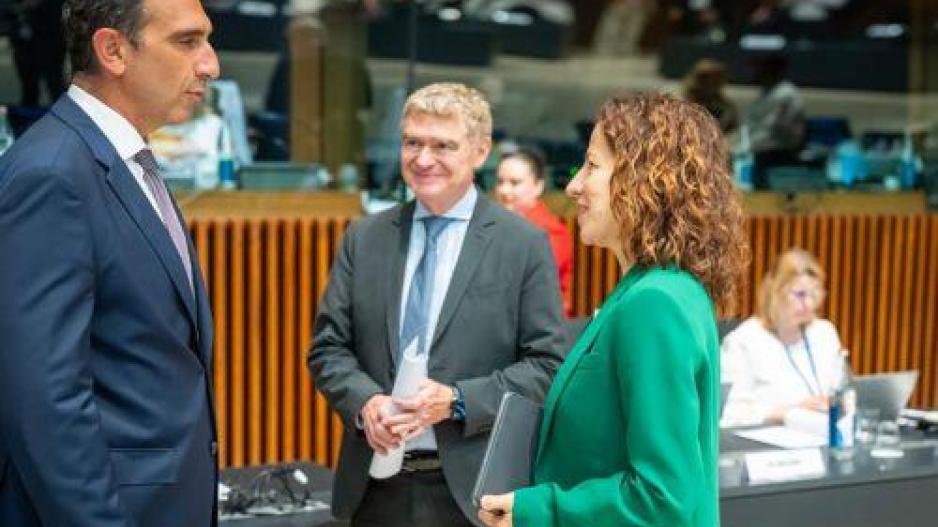
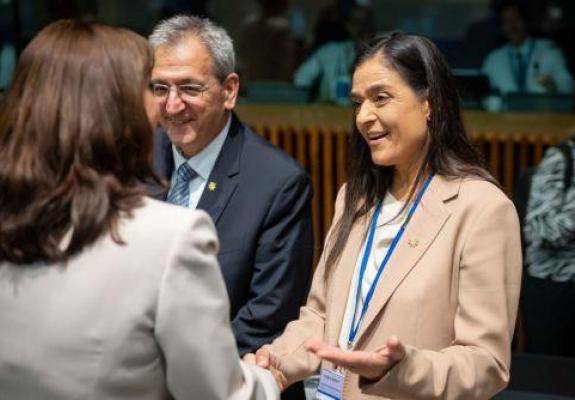
The final EPSCO Council under the Cyprus Presidency concluded with the adoption of historic conclusions on affordable housing and demographic change. Interior Minister Constantinos Ioannou emphasized that housing security is now an economic imperative for EU competitiveness.
A Milestone for Europe's Social Agenda
The final EPSCO Council under the Cyprus Presidency concluded Monday with the adoption of Council conclusions on housing, demographic change and policy design. Interior Minister Constantinos Ioannou described the outcome as a “significant milestone” for Europe’s social agenda.
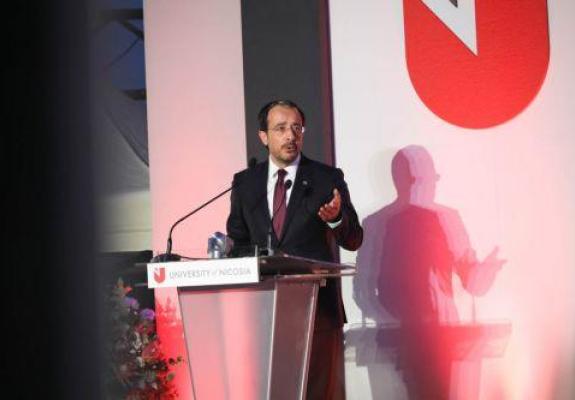
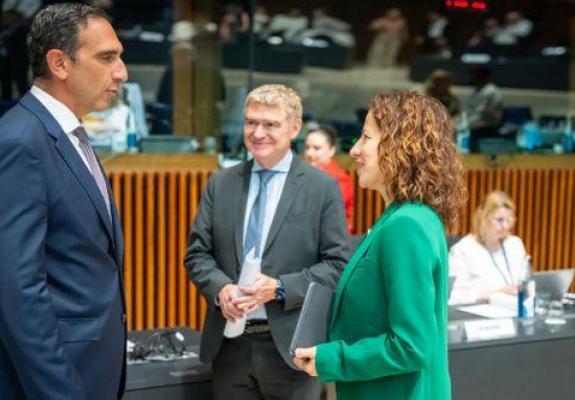
Speaking after the meeting in Luxembourg, Ioannou opened by thanking European Commission Executive Vice-President Roxana Mînzatu, Commissioner Dan Jørgensen, his fellow ministers, and the Cyprus Presidency teams in Nicosia and Brussels, saying: “Our accomplishments were built on close cooperation, mutual trust and a shared commitment to delivering tangible results for European citizens.”
The Minister stressed that from the outset, the Presidency had set “a clear political objective to place housing firmly at the centre of the European social and political agenda, because housing is ultimately about people.” He added: “It is about whether young people can afford to build their future, whether families can remain in the communities they call home, whether workers can move to where opportunities exist, and whether Europeans continue to believe that prosperity and opportunity remain within their reach.”
Housing as an Economic and Demographic Imperative
Ioannou described access to adequate and affordable housing as “one of Europe’s defining social, economic and demographic challenges,” noting that it “affects competitiveness, labour mobility, demographic resilience and social cohesion.” “If Europe is to remain strong and competitive,” he said, “it must also ensure that people can afford to live where they study, work and build their lives.”
Recapping the Presidency’s six-month work plan, the Minister recalled that “in February, we convened the first informal video conference of Ministers responsible for housing, launching a European dialogue on the future of the European affordable housing plan,” followed in March by a ministerial launch within the EPSCO framework.
In May, he said, “we hosted in Nicosia the informal ministerial meeting entitled ‘Unlocking Housing: Prudential Simplification, Innovation and Mobilising Investments,’” where ministers “explored practical ways to increase the supply of affordable and sustainable housing by promoting innovation, accelerating delivery and mobilising both public and private investment.”
A Comprehensive European Approach
On today’s conclusions, Ioannou said they “send a clear political message: housing can no longer be addressed as a stand-alone policy,” but “must respond to demographic change, labour market realities, social inclusion and Europe’s long-term competitiveness.”
He added that “for the first time, Member States have collectively recognised that addressing the housing crisis requires a comprehensive European approach, one that supports young people, families, students, older people and middle-income households, while increasing housing supply, mobilising investment and making better use of existing housing stock.”
The Minister also addressed the day’s exchange on housing security for students and middle-income households, noting that “housing insecurity is no longer limited to the most vulnerable” but is “affecting students, young professionals, workers and middle-income families across the Union, particularly in urban areas, university cities and regions experiencing significant tourist pressures.”
“This reinforces an important point,” he said: “affordable housing is not only a social policy objective, it is also an economic imperative, a driver of competitiveness and sustainable growth, and an investment in Europe’s collective future.”
Handing Over the Momentum to Ireland
Reflecting on the Presidency as a whole, Ioannou said he was “proud that we have not only kept housing high on the European agenda, but have also helped reshape the conversation around it,” adding: “We have built political momentum, forged broad consensus and laid the foundations for sustained European action.”
He voiced confidence that “the incoming Irish Presidency will build on this momentum and take this work forward,” stressing that “our work does not end today” and that the task ahead is “to translate this shared commitment into concrete policies and meaningful results that improve access to affordable housing for Europeans. Because housing is not simply about buildings,” he concluded, “it is about people, it is about dignity, and it is about ensuring that every European has the opportunity to build a secure future.”
Speaking in his capacity as Minister also responsible for civil protection, Ioannou noted that the Council took note of the progress report on the proposal for a regulation on the Union Civil Protection Mechanism and the Union’s support for health emergency preparedness and response, adding that “the progress achieved over the past six months provides a solid foundation for the next phase of discussions” under the incoming Irish Presidency.