What We Know – and What We Don’t – About the Video Rocking the Cyprus Presidency
A fact-check of the footage alleging campaign funding and access to the Presidency.
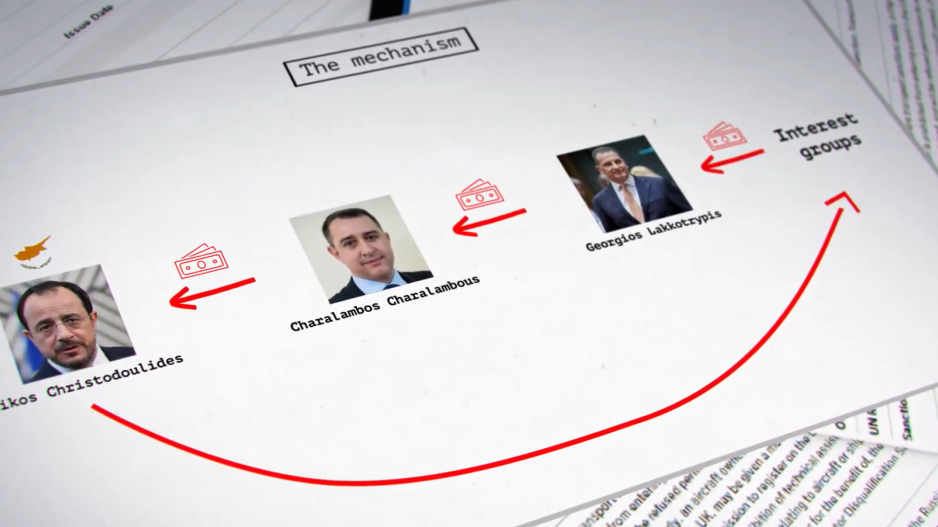
As the leaked video circulating on platform X continues to dominate political discourse in Cyprus, authorities, political parties and the public are grappling with a mix of verified facts, disputed interpretations and major unanswered questions.
>>Who Is ‘Emily Thompson’, the X Account Behind the Video Shaking the Christodoulides Government<<
The footage, published by the account @EmilyTanalyst under the name Emily Thompson, features secretly recorded conversations with individuals closely linked to the Presidential environment. While its release has triggered investigations and political reactions, the material itself remains fragmentary.
Below is a clear breakdown of what has been confirmed so far — and what remains unclear.
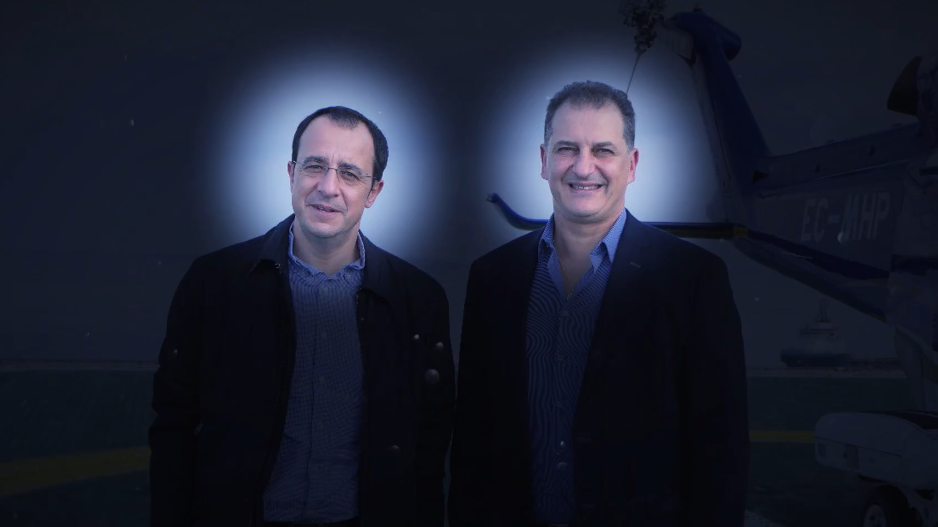
1. The footage is authentic
The video is real and not generated by artificial intelligence. The individuals appearing in it did hold the recorded conversations with the person filming them, who used a concealed camera.
2. The video has been heavily edited
The final eight-minute clip appears to be the product of extensive editing, combining excerpts from separate meetings with different protagonists. It does not reflect a continuous or chronological discussion.
3. Multiple meetings took place
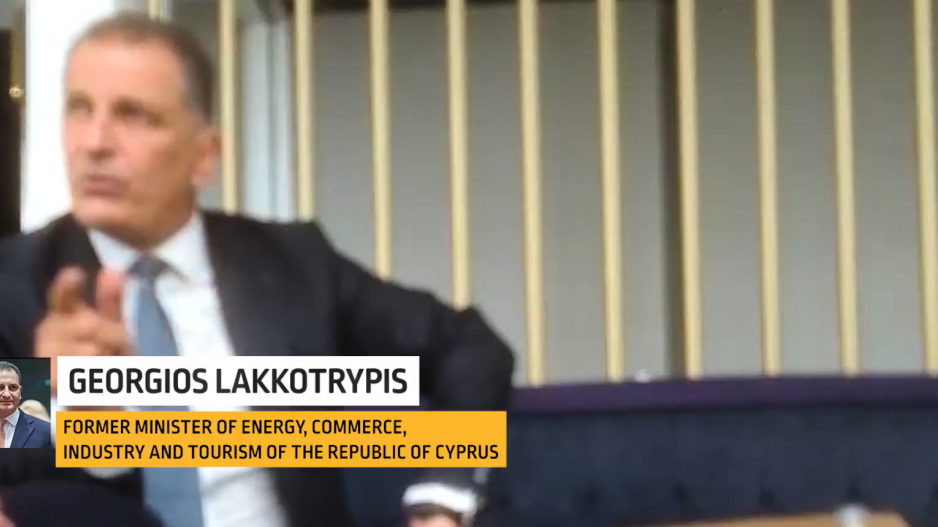
Footage shot in different locations indicates that more than one meeting occurred, either on the same day or across different days, particularly involving former Energy Minister Giorgos Lakkotrypis.
4. Identity links to the publishing account
A source speaking anonymously to FastForward confirmed that the X user @EmilyTanalyst, operating under the name Emily Thompson, is the same individual who authored two articles published on Eurasia Review, two articles published on The American Spectaror, and multiple articles on The Thinking Conserative. This confirms identity links, though not motive or funding.
5. Previously undisclosed proximity to the Presidency
The video reveals a previously unknown level of informal proximity between Giorgos Lakkotrypis and the Presidential environment. Although he holds no official institutional role, the Chief of Staff of the Presidency is heard stating that “George advises the President a lot”.
1. Business access to the Presidential circle
As portrayed in the footage, senior business figures describe frequent and direct contact with the Presidential entourage, reinforcing perceptions of informal access to decision-makers.
2. Campaign spending limits described as flexible
Participants in the video imply that the €1 million legal cap on presidential campaign spending is elastic and, according to their statements, not strictly adhered to in practice.
3. That cash was used to bypass campaign funding caps
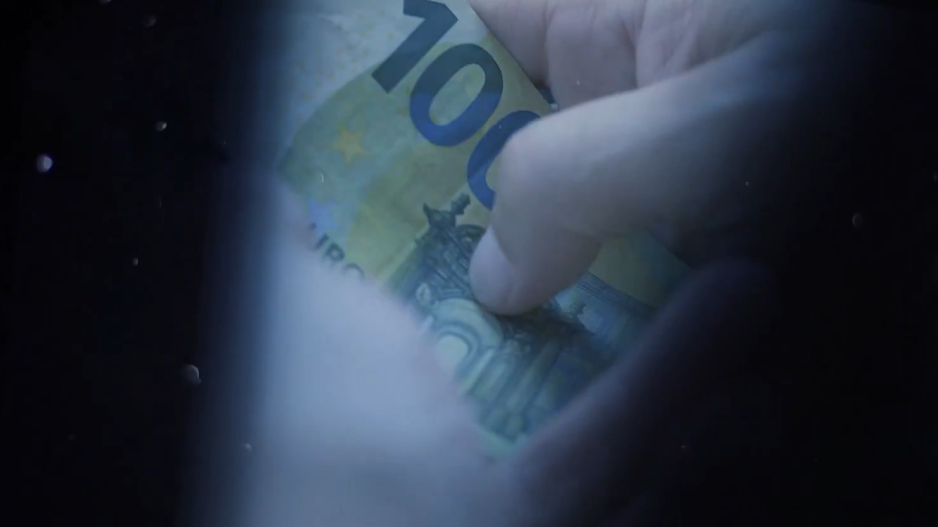
Participants in the video discuss the use of cash as a way to exceed formal campaign spending limits without such expenses appearing in official records.
4. Claims of influence regarding sanctions and donations
Giorgos Lakkotrypis is heard stating that he uses his influence with the President to help individuals avoid sanctions and facilitate donations. These remarks reflect his own assertions and have not been independently verified.
5. Donations portrayed as leverage
According to statements in the video, private donations are described by participants as sufficient to “capture the Presidency’s attention”, allegedly enabling private interests to advance objectives more effectively. These remarks reflect their own assertions.
1. What material was excluded from the final cut
There is no visibility into what parts of the recorded conversations were omitted, the original sequence of statements, or whether the editing altered the overall meaning of the exchanges.
2. Who funded or commissioned the recordings
It remains unclear whether the project was self-financed by the publisher or carried out on behalf of a third party, domestic or foreign.
3. Whether media outlets were approached before publication
There is no confirmation as to whether traditional media organisations were offered the material prior to its release on social media, or whether any declined to publish it.
4. Whether the content constitutes criminal offences
Despite the seriousness of the claims, it has not been established whether the statements captured — even in part — meet the legal threshold for felony-level offences under Cypriot law.
5. Whether the publisher’s framing is accurate
The claim accompanying the video — “Can’t even describe what I just received!” — has not been independently verified, leaving open questions about how and when the footage was obtained.
This article is based on publicly available footage, journalistic verification from independent sources, and statements attributed to individuals appearing in the video. No official findings have yet been issued by authorities, and no criminal wrongdoing has been established.