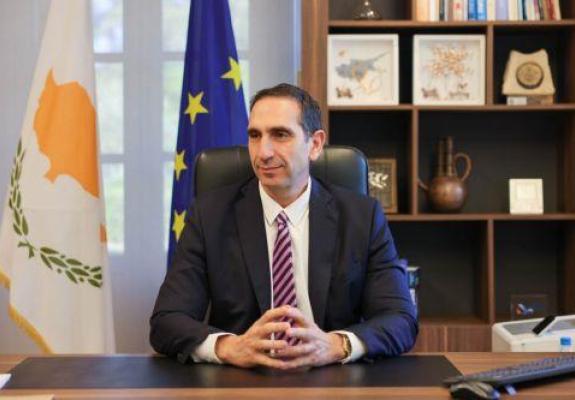
Greek and Turkish Cypriot Chambers of Commerce committed to improve Green Line trade

The Cyprus Chamber of Commerce and Industry (CCCI) and the Turkish Cypriot Chamber of Commerce (KTTO) support all efforts aimed at improving bilateral Green Line trade. A press release from the CCCI calls on the Greek Cypriot leader, Nicos Christodoulides, and the Turkish Cypriot leader, Ersin Tatar, to contribute to this collective effort.
Both chambers have been committed to maintaining lasting cooperation regarding the implementation of Green Line trade since 2004, and since then, they take advantage of every given opportunity to improve such cooperation. They both note that trade across the Green Line showed a significant increase in 2022.
CCCI and KTTO, as the most representative business chambers of the Greek Cypriot and the Turkish Cypriot community, respectively, “are aware that the improvement and development of relations among the two communities can be further enhanced through the upgrade of economic relations and increase of trade”. Both chambers appreciate the contribution of increased Green Line trade to the improvement of bicommunal dialogue, bilateral relations and cooperation, as well as to the diplomatic efforts for a viable solution of the Cyprus problem.
Moreover, the two chambers declare their consensus and commitment to continue their support in eliminating bilateral bureaucratic challenges related to Green Line trade and in promoting further convergence between Greek and Turkish Cypriots. They underline that if more benefits to both communities’ stakeholders are provided, confidence among them will be strengthened, which is a vital requirement for the solution of the Cyprus problem.
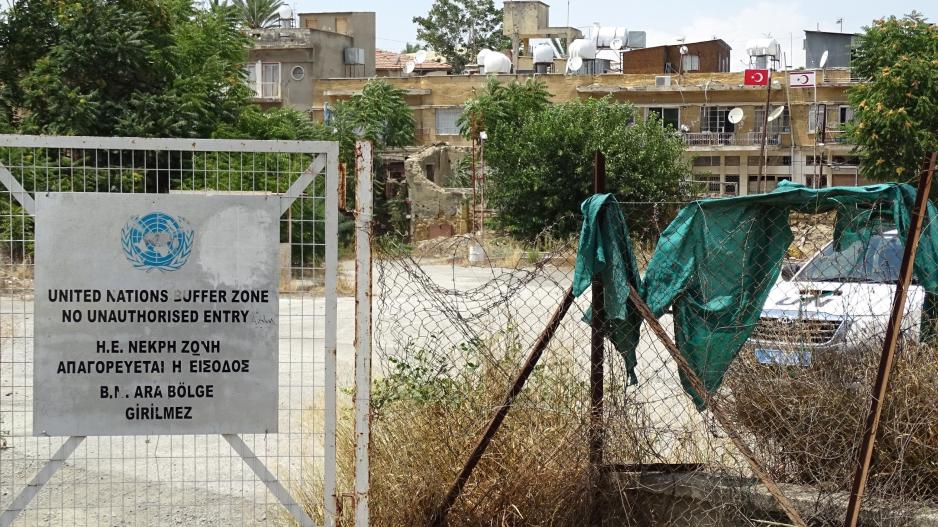
It should be noted that Cyprus has been divided since 1974; repeated rounds of UN-led peace talks have so far failed to yield results. The latest round of negotiations in July 2017 at the Swiss resort of Crans-Montana ended inconclusively.
However, one potential avenue for progress could be through the enhancement of bicommunal trade and economic relations, as CCCI and KTTO declare.
Furthermore, greater economic integration through cross-border trade can promote cooperation and trust between the two communities. The increased economic activity can generate opportunities for joint business ventures and collaboration, fostering a sense of mutual benefit and common interest. Additionally, a thriving economy can create conditions for long-term peace and prosperity on the island, reducing incentives for conflict by offering higher incomes, improved living standards and more job opportunities.
Moreover, the development of economic ties can help address the underlying issues that have contributed to the Cyprus problem. By reducing economic disparities between the communities, economic growth can create a more level playing field, reducing potential tensions and conflicts.
In summary, enhancing trade and economic relations between the Greek Cypriot and Turkish Cypriot communities is a significant step towards finding a comprehensive and sustainable solution to the Cyprus problem. By promoting cooperation, trust and stability through economic engagement, the two sides can create a more peaceful and prosperous future for the island.