Oceana Urges EU Leaders to Support Low Impact Fishers
Cyprus Concludes EU Council Presidency With High-Level Event on Islands and Coastal Communities
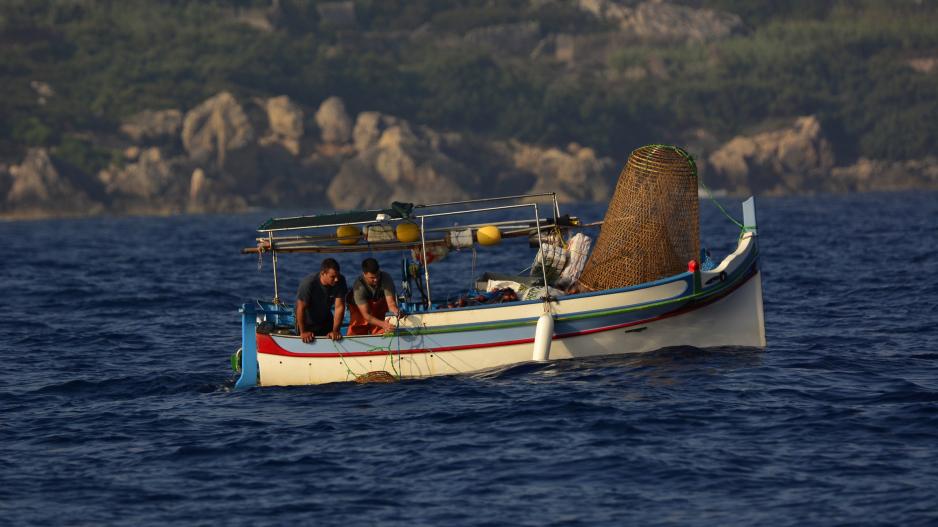
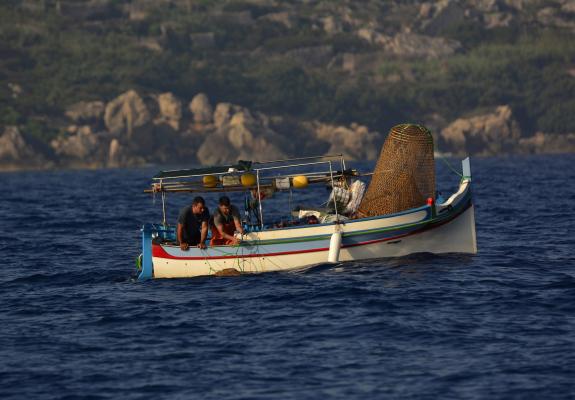
As the high-level conference on islands and coastal communities, organised by the Cypriot Presidency of the Council of the EU, concluded, Oceana calls on the EU to use the upcoming Ocean Act to ensure low-impact fishers get preferential access to coastal waters over industrial fishing fleets. This would support local economies and strengthen the resilience of coastal ecosystems to climate change and other pressures.
“Low-impact fishers are key to strengthening coastal communities by generating income, supplying local seafood, and preserving ways of life. It is fitting that the conference on islands and coastal communities was the last high-level event of the Cypriot Presidency, just days before Ireland, another island nation, assumes the rotating EU Council Presidency and continues this critical shift in ocean use,” said Vanya Vulperhorst, Head of Campaigns at Oceana in Europe.
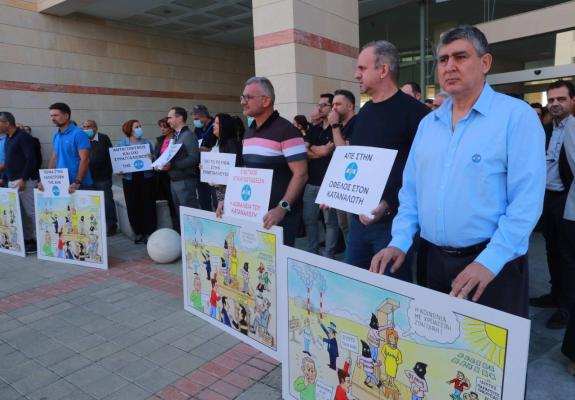
The EU strategies for Islands and Coastal Communities were presented at a high-level conference in Paphos, Cyprus. Oceana argues that the strategies will only succeed if the EU introduces concrete legal provisions in upcoming legislation, such as the Ocean Act, and fully implements existing laws, such as the Common Fisheries Policy.
In that regard, Oceana calls for:
-
Reserving the first 12 nautical miles from the coast for low-impact fishers across the EU, and ensuring they are free from destructive fishing, like bottom trawling. This measure already exists in 44 countries worldwide, yet the EU is lagging behind. Oceana urges Commissioner Kadis to champion such a preferential access area in the upcoming Ocean Act proposal.
-
Allocating greater fishing opportunities to low-impact fishers, prioritising low-impact techniques and fleet segments that create jobs in coastal communities. This can be achieved by fully implementing the existing Common Fisheries Policy, which allows access to fishing quota or days at sea to be allocated based on environmental, social and economic criteria.
-
Rebuilding fish stocks and protecting critical habitats, as required by the Common Fisheries Policy, to enable stock recovery and ensure the long-term resilience of ecosystems and the prosperity of the fishing sector.
Ireland’s Presidency of the Council of the EU, which will start on July 1st, will provide an opportunity to build on the work initiated by the Cyprus Presidency.
“Oceana calls on Commissioner Costas Kadis to maintain the momentum after the Cypriot presidency and ensure that low-impact fishers are heard in decisions on the future of EU fisheries. Fishers need an Ocean Act that delivers real action to recover fish stocks and ensure their livelihoods. This will allow low-impact fishing to be a thriving, future-proof sector, resilient to climate impacts and economic challenges,” added Vulperhorst.
Learn more on creating a preferential access area for low-impact fishers in video
-ENDS-
Notes to editors: Oceana is the largest international organization dedicated solely to ocean conservation. Our mission is to rebuild abundant and biodiverse oceans by winning science-based policies that stop overfishing, protect habitats and threatened species, curb oil and plastic pollution, and increase transparency at sea. With more than 350 victories, Oceana’s campaigns are delivering results – for the oceans, for coastal communities, and for the planet. A restored ocean means that 1 billion people can enjoy a healthy, climate-smart seafood meal every day, forever. Together, we can save the oceans and help feed the world. Join us at europe.oceana.org.